
Collide planets. Build solar systems. Create your own worlds.
A physics-based space simulator where you can create your own planets and build solar systems. Experiment with gravity, collisions, and the properties of planets, moons, stars, and black holes.
Wishlist on SteamYouTube stays off until you choose to load it. By loading the trailer, you agree to connect to Google, which receives connection data and may use cookies or browser storage. Privacy details
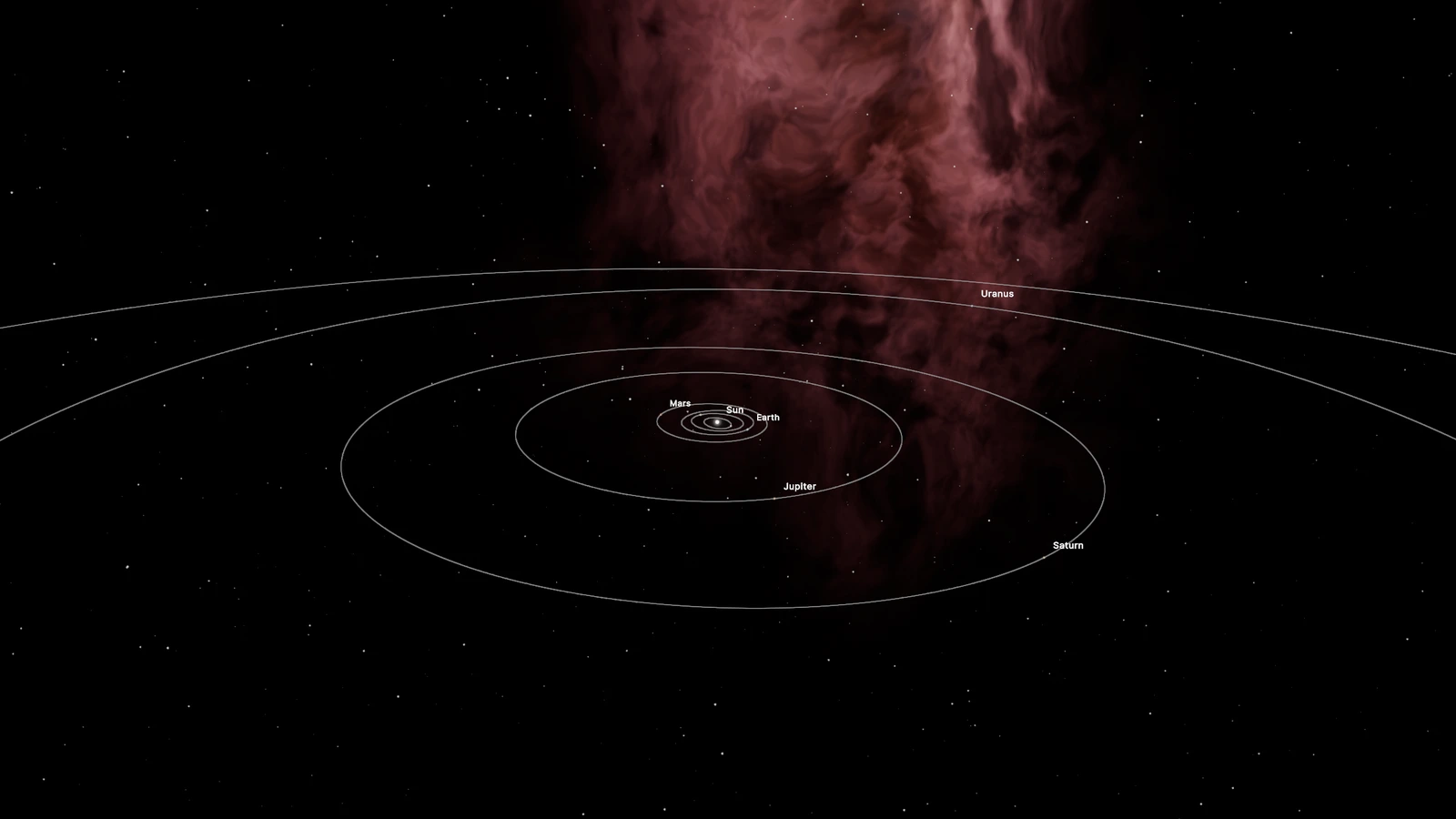
Set your worlds in motion
Build solar systems with stars, planets, moons, and black holes, including worlds you’ve created. Add rings, change orbits, and adjust a body’s mass or velocity to see how it affects your system.
Stars, planets, moons, and black holes attract one another through Newtonian gravity.
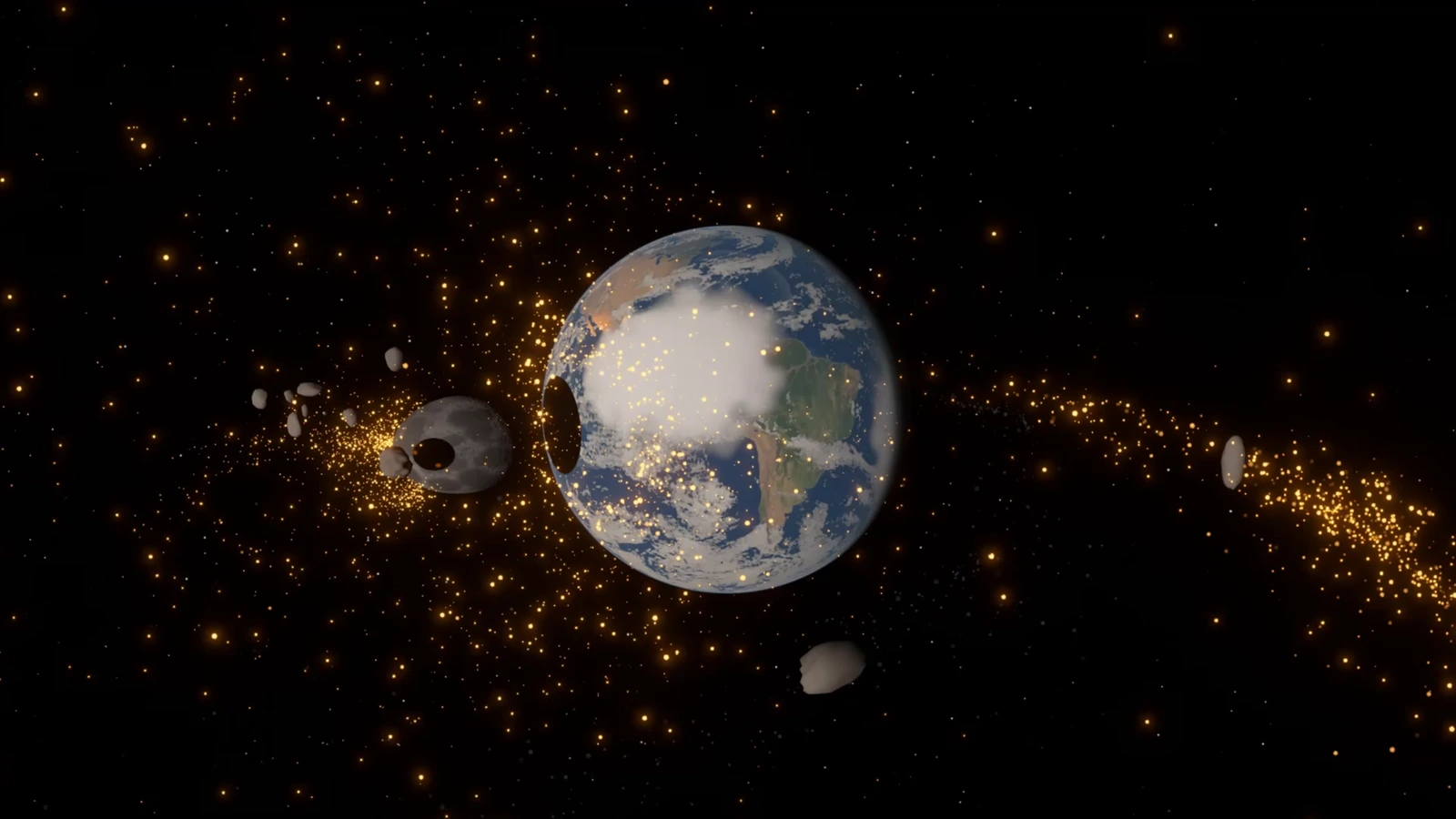
Collide planets
Send two planets toward each other and watch the impact heat their surfaces and throw debris into space. Change their size, speed, or impact angle to see a different outcome.
During a close encounter, tidal forces can stretch celestial bodies and tear material away, sending fragments onto new paths.
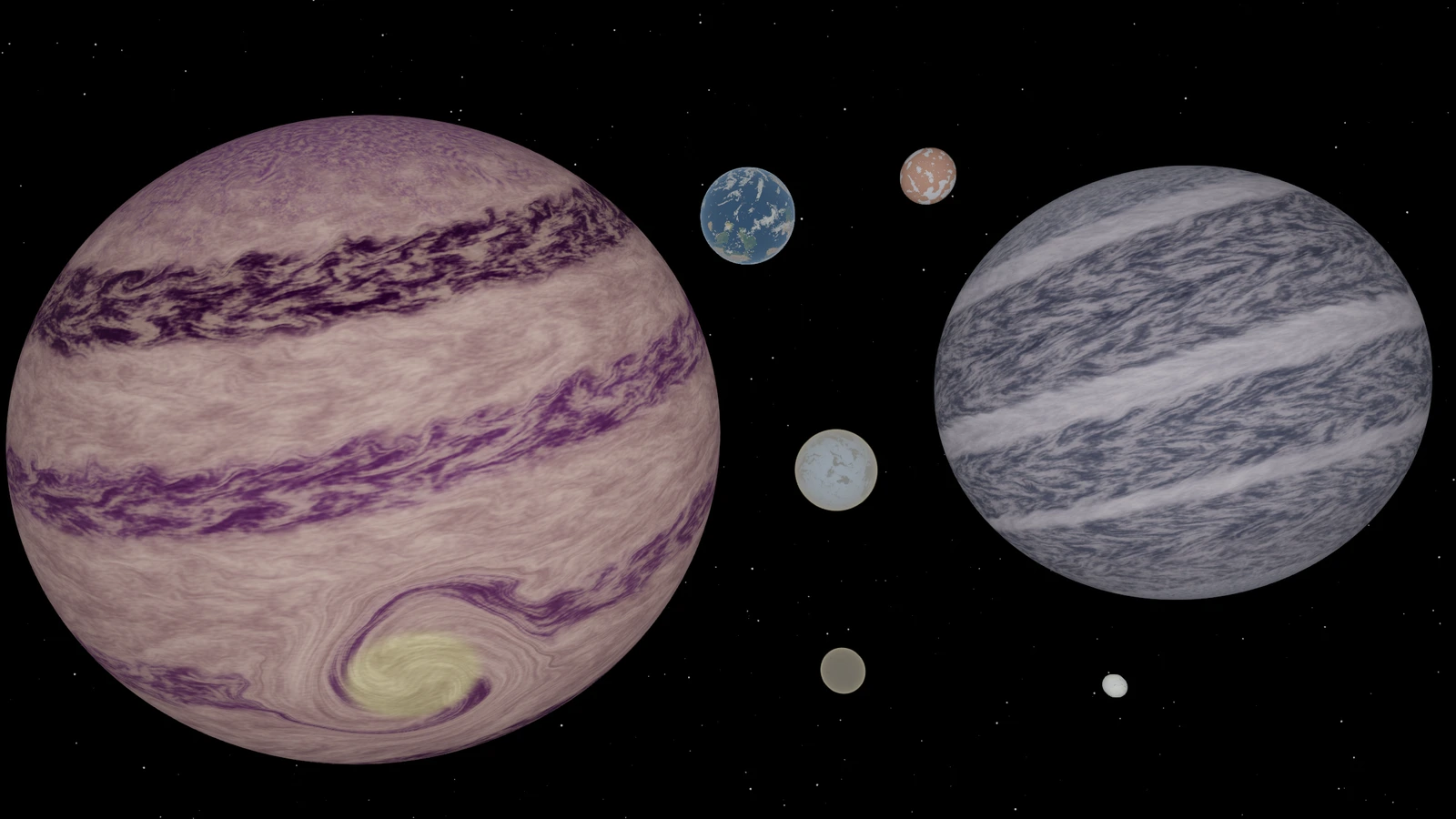
Make your own worlds
Shape mountains, carve canyons, and fill your planet with oceans. Add forests, deserts, or ice. Or create a gas giant with colorful cloud bands and swirling storms.
Start from scratch or reshape a procedurally generated world. Adjust your planet’s mass, size, tilt, and rotation. Save your creations and bring them into your solar system.
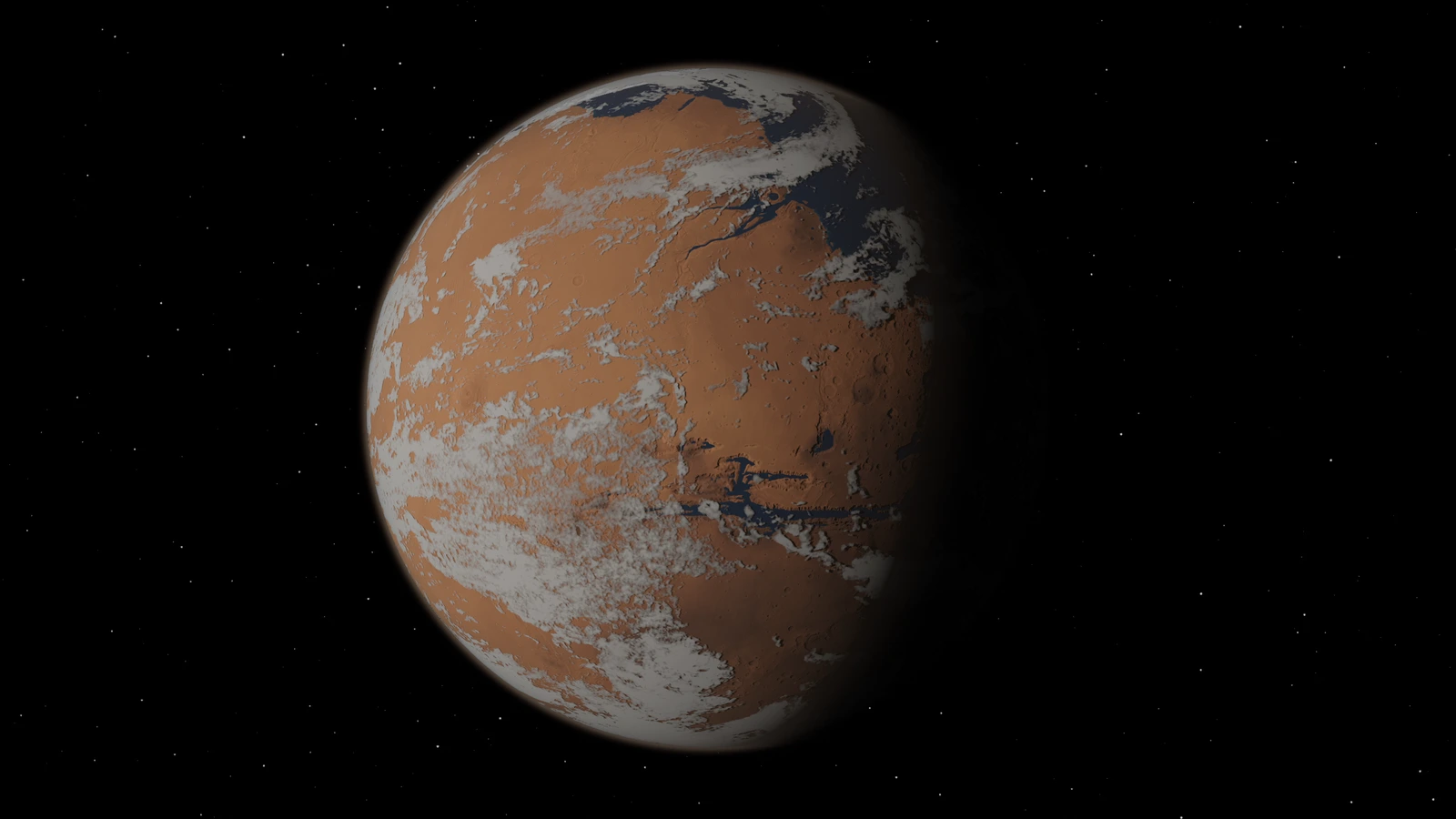
Terraform your worlds
As a planet orbits its star, its distance from the star and its atmosphere affect its temperature. Oceans can freeze, ice can melt, and water can evaporate as conditions change.
Terraform your worlds by adding or removing water and gases, changing atmospheric pressure, and adjusting the atmosphere’s composition.
A habitable zone guide shows where liquid water may be possible, depending on the planet’s atmosphere and surface conditions.
From orbit to the surface
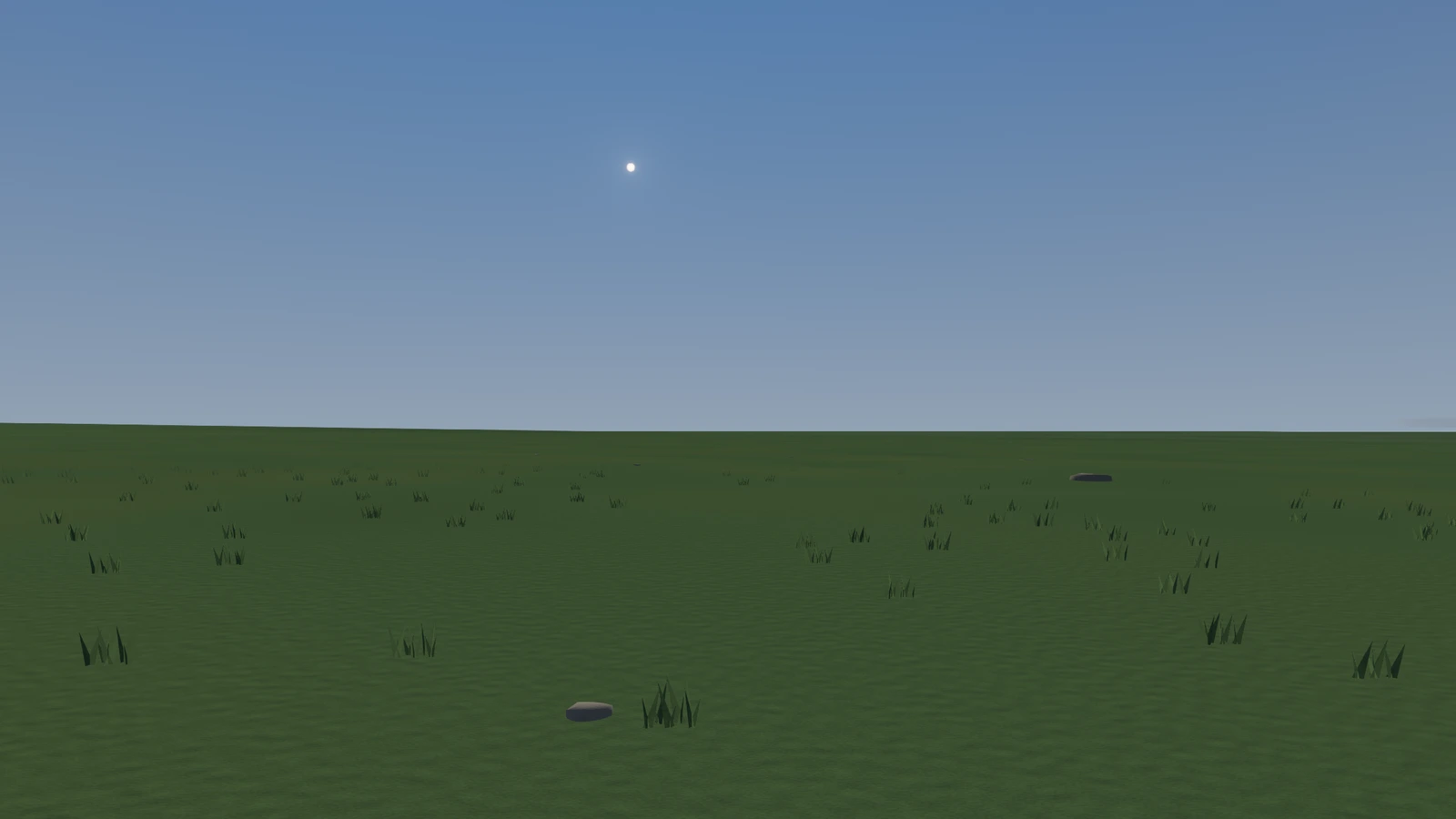
Fly down from orbit and explore a planet at ground level. See your worlds from a different perspective, with terrain stretching out around you.